
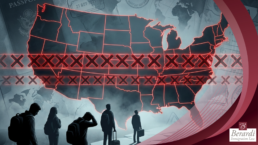
On January 14, 2026, the Department of State announced a significant change to immigrant visa processing. Beginning January 21, 2026, immigrant visa issuances will be paused for nationals of 75 countries identified as high-risk for public benefits usage. This pause marks a substantial shift in U.S. immigration policy and affects thousands of individuals currently navigating the immigrant visa process.
If you or a family member is a national of one of the affected countries, understanding how this pause impacts your case is essential.
What Is the Immigrant Visa Pause?
The Department of State has implemented a temporary hold on issuing immigrant visas to nationals of specific countries while conducting a comprehensive review of policies related to financial self-sufficiency and public charge concerns. The stated goal is to ensure immigrants entering the U.S. do not become a financial burden on American taxpayers.
The pause affects 75 countries across multiple regions, including Afghanistan, Albania, Algeria, Antigua and Barbuda, Armenia, Azerbaijan, Bahamas, Bangladesh, Barbados, Belarus, Belize, Bhutan, Bosnia and Herzegovina, Brazil, Burma, Cambodia, Cameroon, Cape Verde, Colombia, Cote d’Ivoire, Cuba, Democratic Republic of the Congo, Dominica, Egypt, Eritrea, Ethiopia, Fiji, The Gambia, Georgia, Ghana, Grenada, Guatemala, Guinea, Haiti, Iran, Iraq, Jamaica, Jordan, Kazakhstan, Kosovo, Kuwait, Kyrgyz Republic, Laos, Lebanon, Liberia, Libya, Moldova, Mongolia, Montenegro, Morocco, Nepal, Nicaragua, Nigeria, North Macedonia, Pakistan, Republic of the Congo, Russia, Rwanda, Saint Kitts and Nevis, Saint Lucia, Saint Vincent and the Grenadines, Senegal, Sierra Leone, Somalia, South Sudan, Sudan, Syria, Tanzania, Thailand, Togo, Tunisia, Uganda, Uruguay, Uzbekistan, and Yemen.
How Does This Pause Affect Your Visa Application?
Interview Appointments Continue
Despite the pause, the Department of State will continue scheduling and conducting immigrant visa interviews for nationals of affected countries. You can still submit your visa application and attend your scheduled interview. However, no immigrant visas will be issued to affected nationals during this pause period.
Existing Visas Remain Valid
If you already hold a valid immigrant visa issued before January 21, 2026, your visa has not been revoked as part of this guidance. You may still travel to the United States, though questions regarding admission should be directed to the Department of Homeland Security.
Dual Nationals May Be Exempt
Dual nationals have an important exception. If you hold citizenship in both an affected country and a non-listed country, you are exempt from the pause when applying with a valid passport from the non-listed country. This exemption provides a pathway for some applicants to continue with their visa processing.
What About Nonimmigrant Visas?
The pause applies exclusively to immigrant visas, such as family-based visas and employment-based green cards. Tourist visas and other nonimmigrant visa categories are not affected by this policy change. If you’re planning temporary travel to the United States for tourism, business, or study, this pause does not apply to your situation.
What Should You Do Next?
If you’re affected by this pause, staying informed and prepared is crucial. The Department of State has indicated this is a temporary measure while policies undergo review, but no specific end date has been announced.
Continue attending scheduled interviews and maintaining compliance with all application requirements. Keep all documentation current and readily available. If you’re a dual national, consult with an immigration attorney about using your alternate passport for visa processing.
For families waiting to reunite or employers sponsoring international workers, this pause introduces uncertainty into immigration timelines. Consulting with experienced immigration counsel can help you understand your options and prepare for when visa issuances resume.
Navigating Uncertainty During the Visa Pause
The immigrant visa pause represents a significant development in U.S. immigration policy. While interviews and applications continue, the suspension of visa issuances creates considerable uncertainty for thousands of individuals and families. Dual nationals may have options through their alternate citizenship, and existing visa holders are not affected. As the Department of State conducts its policy review, staying informed and working with knowledgeable legal counsel will be essential for navigating this complex situation.
Berardi Immigration Law is closely monitoring developments related to this pause and is available to answer questions and provide guidance to affected individuals and families.
Immigrant Visa Pause FAQs
Q: Will my interview appointment be canceled?
A: No. The Department of State will continue scheduling and conducting immigrant visa interviews for nationals of affected countries. You should attend your scheduled interview as planned, but understand that no visa will be issued at this time.
Q: Can I still apply for an immigrant visa if I’m from one of the listed countries?
A: Yes. You can still submit your visa application and proceed through the interview process. However, the actual visa will not be issued during the pause period. The timeline for when issuances will resume has not been announced.
Q: I have dual citizenship. Am I affected by this pause?
A: If you hold citizenship in both an affected country and a country not on the list, you are exempt from the pause when you apply using a valid passport from the non-listed country. This is an important exception that may allow you to continue your visa processing without delay.



Ready to have Berardi on your side?
Whether you’re a business looking to hire or a professional hoping to relocate, immigration law can be complicated. But you don’t have to do it alone. Put our experience to work for you.