
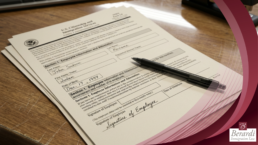
Immigration enforcement makes headlines regularly, and for business owners employing foreign workers, the news cycle can feel overwhelming. Between cable news alerts about ICE raids and social media speculation, it’s hard to separate legitimate compliance concerns from unnecessary panic. The truth is that some enforcement actions demand immediate attention, while others amount to little more than noise.
Understanding what immigration enforcement actually looks like for employers, what triggers scrutiny, and how to respond appropriately can make the difference between a manageable audit and a costly legal crisis.
What Immigration Enforcement Actually Looks Like for Employers
Immigration and Customs Enforcement (ICE) conducts several types of workplace enforcement activities, and not all of them involve dramatic site visits or arrests. Most employer interactions with ICE fall into these categories:
- I-9 Audits: Also called Notice of Inspection (NOI), these are formal requests for an employer to produce employment eligibility verification forms (I-9s) and supporting documentation. Employers typically receive three business days’ notice and must produce records for review. These audits examine whether forms were completed correctly, signed, and dated appropriately.
- Worksite Enforcement Operations: These are physical visits to a worksite, sometimes unannounced, where ICE agents may interview employees and review documentation on-site. While these operations generate significant media attention, they’re less common than administrative audits and typically target specific industries or employers based on tips or prior violations.
- Civil Penalties: When I-9 violations are discovered during audits, employers may face fines ranging from hundreds to thousands of dollars per violation, depending on the severity and whether the employer is a repeat offender.
What Should Actually Concern You
Certain situations genuinely require immediate attention and proactive compliance measures.
High-Risk Industries and Past Violations
ICE prioritizes certain industries with historically higher rates of immigration violations, including hospitality, construction, agriculture, manufacturing, and food services. Employers in these sectors face heightened scrutiny. Additionally, companies with prior immigration violations or those that have received warnings are more likely to be targeted for follow-up enforcement.
I-9 Compliance Gaps
The most common, and most preventable, problem employers face is poor I-9 compliance. Missing signatures, incorrect dates, failing to complete Section 2 within three business days of hire, accepting improper documentation, or keeping no I-9 forms at all create serious liability. These aren’t minor technicalities; they’re the foundation of most penalty assessments.
Anonymous Tips and Complaints
ICE often initiates investigations based on tips from disgruntled employees, competitors, or community members. If your business has labor disputes, terminations, or visible workplace issues, you’re at higher risk of someone filing a complaint that triggers an investigation.
What’s Just Cable News Hysteria
Not every immigration enforcement headline should send you scrambling.
Mass Deportation Rhetoric: Political statements about widespread deportations or enforcement surges rarely translate into immediate action affecting most employers. Policy changes require implementation timelines, legal challenges often delay enforcement, and resources limit the scope of operations.
Random Workplace Sweeps: The image of ICE agents storming random businesses without cause is largely fiction. Enforcement actions are typically intelligence-driven, targeting specific employers based on credible information or industry-wide operations, not random chance.
Social Media Speculation: Unverified reports of ICE activity circulating on social media often prove inaccurate or exaggerated. While staying informed is important, reacting to every unconfirmed post creates unnecessary anxiety and diverts attention from genuine compliance work.
Practical Steps for Employers Right Now
Rather than panicking, take concrete steps to strengthen your compliance position.
Conduct an Internal I-9 Audit. Review all I-9 forms for completeness and accuracy. Identify and document any errors, and establish a correction protocol. Consider working with an immigration attorney to conduct a privileged audit that protects findings under attorney-client privilege.
Develop a Response Protocol. Create a written plan for how your organization will respond if ICE arrives with a Notice of Inspection or conducts a site visit. Designate who will communicate with agents, where documents are stored, and who will contact legal counsel immediately.
Train Your HR Team. Ensure that everyone involved in hiring understands I-9 requirements, acceptable documentation, and anti-discrimination rules. Regular training prevents errors and demonstrates good-faith compliance efforts.
Don’t Overreact. Avoid actions that could create their own legal problems, such as reverifying employees without legal cause, requesting specific documents from employees, or terminating workers based on perceived immigration status. These actions can trigger discrimination claims.
Preparedness Over Panic
Immigration enforcement is a real concern for employers, but panic rarely produces good outcomes. The businesses that navigate enforcement successfully are those that prioritize consistent, careful I-9 compliance, understand what enforcement actually looks like, and have response plans in place before they’re needed.
The gap between cable news drama and practical reality is significant. While the political environment surrounding immigration may shift, the fundamentals of employer compliance remain constant: complete I-9 forms properly, store them securely, and know how to respond if enforcement action occurs.
If you’re unsure about your compliance status or want to conduct a privileged audit of your I-9 forms, consulting with an experienced immigration attorney is the smartest investment you can make. Book your consultation with Berardi Immigration Law online today.
Frequently Asked Questions
Q: What should I do if ICE shows up at my workplace?
A: Request to see the agents’ credentials and any warrants or subpoenas. Politely ask them to wait while you contact your immigration attorney immediately. You’re not required to let agents enter private areas without a judicial warrant, though they can access public areas. Never lie to federal agents, but you’re entitled to have legal representation present during inspections.
Q: How far back do I-9 records need to go?
A: You must retain I-9 forms for three years after the date of hire or one year after employment ends, whichever is later. When an employee leaves, note their departure date on the form and retain it for the required period. Don’t destroy records prematurely, doing so during an investigation can result in additional penalties.
Q: Can I re-verify all my employees’ work authorization to be safe?
A: No. Reverifying employees without a legal basis (such as expiring work authorization) constitutes unlawful discrimination under immigration law. Only reverify employees when their work authorization has an expiration date or when required for E-Verify or specific visa categories. Blanket reverification creates more legal risk than it prevents.


Ready to have Berardi on your side?
Whether you’re a business looking to hire or a professional hoping to relocate, immigration law can be complicated. But you don’t have to do it alone. Put our experience to work for you.