
The H-1B visa lottery as you knew it no longer exists. Starting with the FY 2027 cap season in March 2026, the Department of Homeland Security is replacing the random lottery with a weighted selection process that favors higher-paid positions. If you’re an employer planning to sponsor foreign workers under the H-1B cap, the rules have fundamentally changed, and your approach must change with them.
January is your planning window, not March. Here’s what you need to know to navigate this new landscape strategically.
Understanding the New Weighted Selection System
The final rule is effective February 27, 2026, and will be in place for the FY 2027 H-1B cap registration season. Under the old system, every registration had an equal chance of selection. Under the new system, your odds depend entirely on the Department of Labor’s Occupational Employment and Wage Statistics (OEWS) wage level assigned to the position.
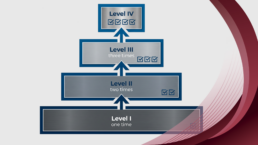
Here’s how the weighting works:
- Registrations assigned a Level IV wage will be entered into the pool four times,
- Level III three times,
- Level II two times,
- and Level I one time.
This means a Level IV position has four times the chance of selection compared to a Level I position. Each beneficiary still counts only once toward the annual 85,000 cap regardless of how many weighted entries they receive.
What Wage Levels Actually Mean
Wage levels reflect job complexity and seniority within a specific occupation and location, not just salary amounts. A software developer in San Francisco earning $150,000 might still be classified as Level I or II if the position is entry-level, while a senior engineer in a lower-cost area could qualify for Level III or IV despite a nominally lower salary. The classification depends on the prevailing wage data for that specific occupation in that specific geographic area.
Why This Changes Everything for Employers
The math is stark. If you’re registering entry-level positions at Level I, your odds of selection have effectively been cut to one-quarter of what a Level IV registration receives. For employers who traditionally relied on the lottery to fill junior roles, this creates a serious challenge.
This isn’t about gaming the system by inflating wages. USCIS has made clear it will scrutinize whether the wage level, job classification, and position description align. Inconsistencies between your registration and the actual petition can result in denials, revocations, or referrals for enforcement action.
Critical Registration Requirements Under the New Rule
When you submit your H-1B registration in March 2026, you’ll need to provide significantly more information than in previous years. Employers must submit the SOC code, area of intended employment, and the highest wage level the proffered wage meets or exceeds.
This information becomes locked in for verification purposes. When you file the full petition after selection, USCIS will compare your Labor Condition Application and petition details against what you represented in the registration. Material changes or attempts to upgrade the wage level after selection to improve odds will be grounds for denial.
For employees working in multiple locations or positions, you must select the lowest corresponding OEWS wage level across all locations. You cannot cherry-pick the highest wage level if the beneficiary will be working in areas with lower prevailing wages.
Strategic Planning Steps for Early 2026
Smart employers start now, not in February. Here’s your January action plan.
First, audit your anticipated H-1B needs for positions starting October 1, 2026. Identify which current employees on OPT or OPT STEM extensions will need sponsorship and which new hires you’re planning to bring on board. For each position, determine the appropriate SOC code and the correct OEWS wage level based on the actual job duties, required qualifications, and geographic location.
Second, understand your realistic selection odds. A position classified as Level I now has dramatically lower chances than under the old random system. Consider whether you can legitimately structure positions at higher wage levels through expanded responsibilities, different job classifications, or alternative geographic assignments. But remember: the job duties and requirements must genuinely support the wage level classification. Misrepresentation carries serious consequences.
Third, prepare detailed position descriptions and prevailing wage determinations now. The registration window will be tight, likely around two weeks, and you cannot afford to be scrambling for information when it opens.
Alternatives for Lower-Wage-Level Positions
If your typical H-1B positions fall into Level I or II, don’t abandon your sponsorship strategy, but do develop robust alternatives.
O-1 visas remain an option for individuals with extraordinary ability in their field. The standard is high, but many professionals in specialized fields can qualify with proper documentation of achievements, publications, or recognition. L-1 visas allow multinational companies to transfer employees from foreign offices, bypassing the cap entirely. E-2 and E-3 visas may be available for nationals of certain treaty countries.
For recent graduates, OPT and OPT STEM extensions provide critical bridge time. A candidate not selected this year can continue working while you try again in the next cycle, potentially at a higher wage level after gaining experience.
Cap-exempt employers, including higher education institutions, nonprofit research organizations, and government research facilities, remain unaffected by these changes. If your business has any affiliations with cap-exempt entities, explore whether positions could be structured to qualify for the exemption.
Compliance in the New Environment
The new system creates heightened compliance risks. USCIS has explicitly stated it will scrutinize the relationship between registrations and subsequent petitions for consistency. Employers who attempt to manipulate wage levels or job classifications to improve lottery odds face denials, revocations, and potential debarment from the program.
Your wage level determination must be defensible. Document why you selected the specific SOC code, how the position’s duties align with that classification, and why the wage level is appropriate based on the required experience, education, and complexity of the role. If USCIS questions your determination, you’ll need contemporaneous documentation showing you made a good-faith assessment.
Don’t forget your ongoing obligations. H-1B employers must maintain proper wage levels throughout employment, maintain public access files, and comply with notification requirements. The heightened scrutiny under the new selection system likely means increased audit activity across the board.
Prepare Now For The H-1B Lottery
The weighted selection system represents the most significant structural change to the H-1B program in decades. For employers who traditionally filled entry-level positions through the H-1B lottery, this is a fundamental disruption requiring immediate strategic reassessment. For employers offering higher-paid positions, this creates opportunity but also increased scrutiny.
The registration period for FY 2027 will likely open in early March 2026. By then, your strategy should already be set. Audit your positions, verify your wage level determinations, develop contingency plans, and ensure your documentation will withstand USCIS review. The lottery may have changed, but thorough preparation remains the constant.
At Berardi Immigration Law, we help employers navigate complex immigration changes and develop strategic approaches that protect your business and your workforce. The weighted selection system isn’t just a technical adjustment, it requires rethinking your entire H-1B strategy from the ground up. Schedule your consultation today, so you are prepared before H-1B lottery season.
2026 H-1B FAQs
How is the wage level determined for H-1B registrations under the new system?
The wage level is determined by comparing the offered salary to the Department of Labor’s OEWS prevailing wage data for the specific occupation (SOC code) and geographic area. The employer must select the highest OEWS wage level (I through IV) that the offered wage equals or exceeds. This reflects the position’s complexity and required experience, not just the dollar amount of the salary.
Can I change the wage level or job classification after my registration is selected?
No. USCIS will verify that your petition matches the information provided in your registration, including wage level, SOC code, and geographic area. Material inconsistencies can result in denial or revocation of the petition. If you make changes to unfairly increase selection odds, USCIS may take enforcement action. Your registration information must accurately reflect the actual position from the start.
What should employers do if most of their positions qualify only as Level I or II?
Employers should realistically assess their reduced selection odds and develop alternative strategies. This may include exploring cap-exempt positions, utilizing other visa categories like O-1 or L-1, relying on OPT extensions to bridge time between lottery attempts, or legitimately restructuring positions with expanded responsibilities that genuinely support higher wage level classifications. The key is having multiple pathways rather than relying solely on lottery success.


Ready to have Berardi on your side?
Whether you’re a business looking to hire or a professional hoping to relocate, immigration law can be complicated. But you don’t have to do it alone. Put our experience to work for you.